ASTM E84 is not a test for establishing the fire-resistance rating of a structural member or building assembly. Therefore, option B is the exception.
The 2021 IBC establishes fire-resistance ratings primarily through testing conducted in accordance with ASTM E119 or UL 263. Those tests evaluate whether an element or assembly can maintain structural performance, limit flame passage, and control temperature rise for a specified duration under standardized fire exposure. ASTM E84 instead evaluates surface-burning characteristics, principally flame-spread and smoke-developed indices. An E84 classification cannot establish that a wall, floor, beam, column, or connection possesses a one-, two-, or three-hour fire-resistance rating.
The IBC also recognizes approved prescriptive designs under Section 721, calculated fire resistance under Section 722, and designs documented in approved sources or supported by permitted analytical methods. Those are valid methods represented by options A, C, and D.
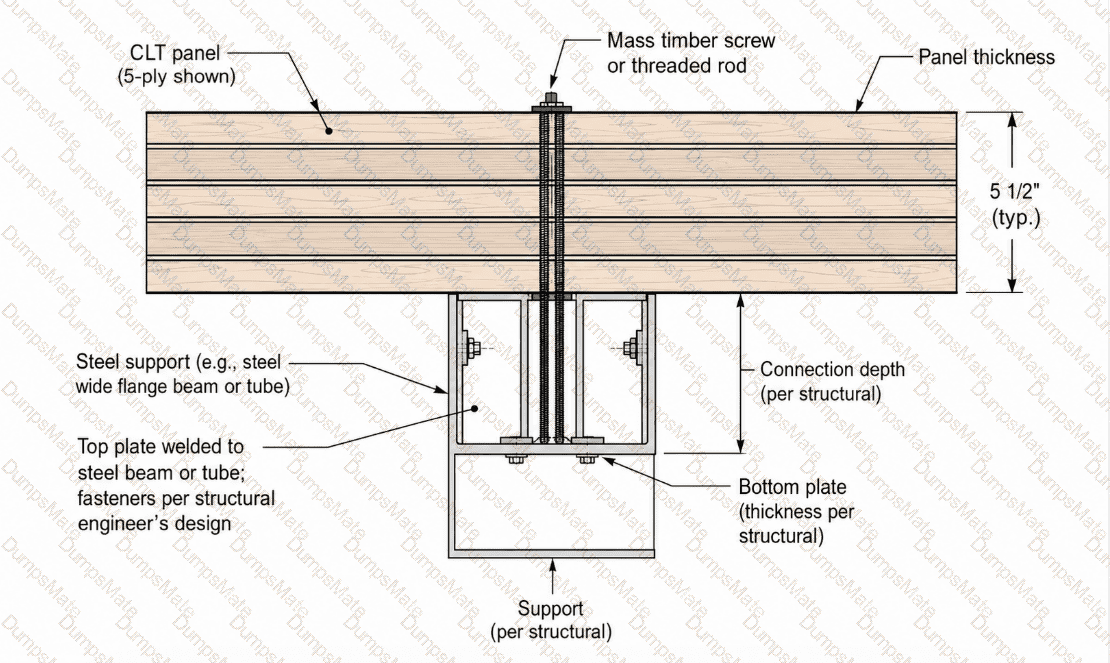
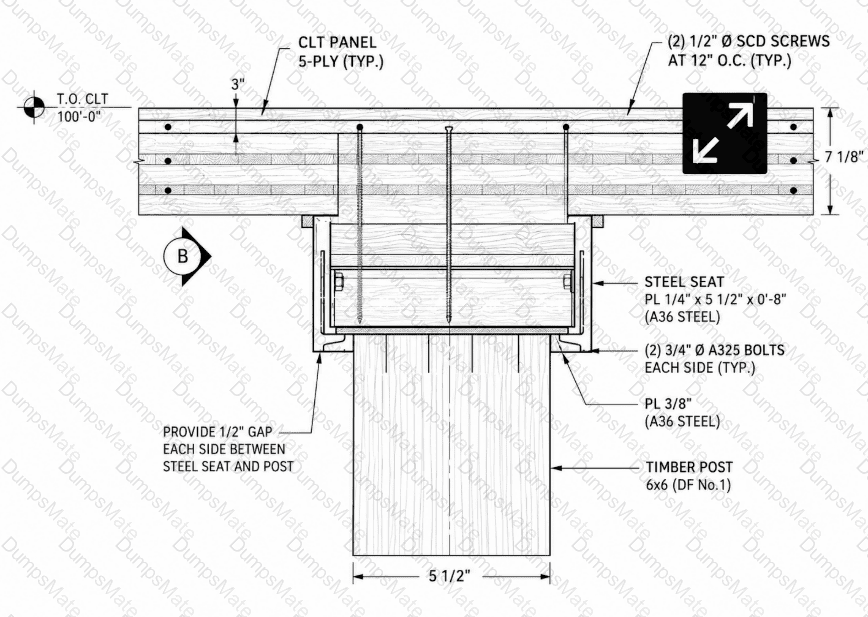
For inspection purposes, the approved construction documents must identify the method used to establish the rating. The inspector must then verify that the installed materials, dimensions, loading assumptions, protective layers, fasteners, joints, and connection details match the tested, calculated, or prescriptive design.
References/Topics: 2021 IBC Sections 703.2, 703.2.1, 721 and 722; ASTM E119 and UL 263 fire-resistance testing.
===============