The correct answer is C .
In AgilePM, information radiators such as dashboards are very useful, but they are not sufficient on their own for senior governance and strategic decision-making , especially for a role like the Business Sponsor .
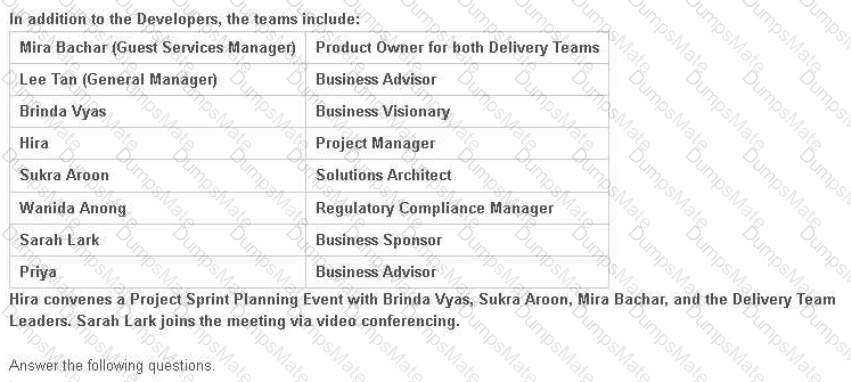
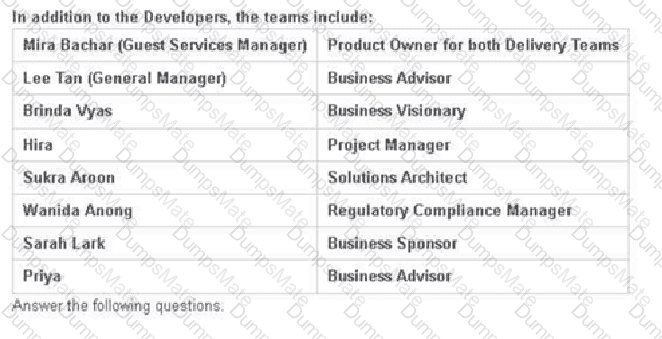
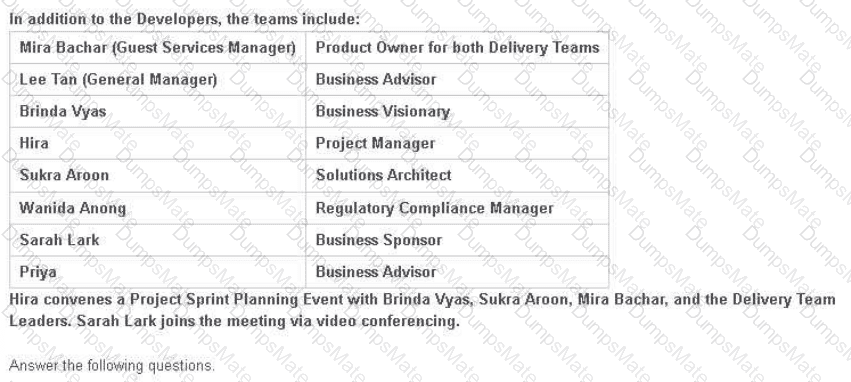
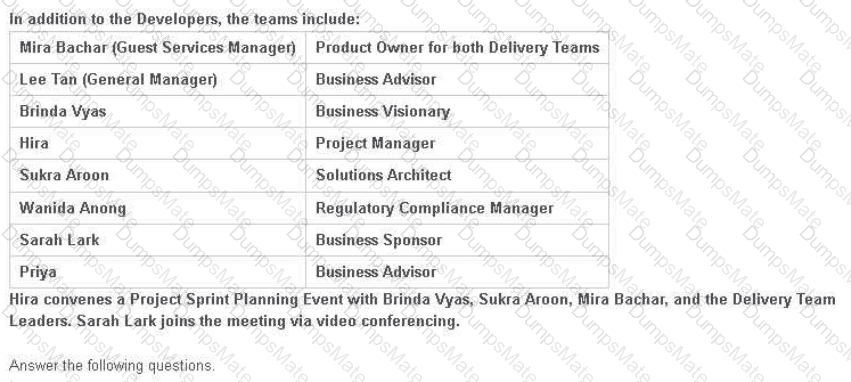
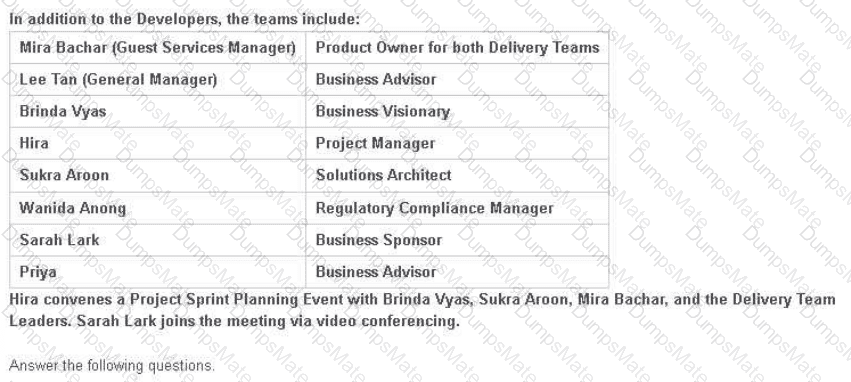
Sarah, as the Business Sponsor , is accountable for ensuring that the project remains viable, aligned with business objectives, and worthy of continued investment. That means she needs more than raw or near-real-time status information. She also needs:
interpretation of what the information means,
context behind risks and issues,
insight into business impact,
understanding of trade-offs,
and confidence that the project is still aligned to strategic goals.
A dashboard can show progress, risks, and actions, but it usually does not fully provide the narrative, business context, rationale, escalations, and decision support that an executive stakeholder needs. AgilePM values transparency, but transparency is not the same as complete understanding.
Why C is correct:
A real-time dashboard is helpful as a supporting mechanism, but it does not fully meet Sarah’s needs because:
strategic stakeholders need context , not just data,
they often need explanation of why something matters ,
they need help understanding whether intervention is required,
and they require communication tailored to business decisions, not just operational tracking.
So the dashboard is useful, but not enough by itself .
Why the other options are incorrect:
A. Yes, because she will have access to progress updates, removing all meeting dependency.
This is incorrect because AgilePM does not suggest that dashboards replace all direct engagement. Communication with senior stakeholders still matters. Meetings, conversations, reviews, and decision forums remain important for clarifying implications and making timely decisions.
B. Yes, because she can rely solely on the dashboard for all her updates.
This is also incorrect. “Solely” is the problem. In AgilePM, relying on only one communication channel is risky, particularly for a sponsor role. Sponsors need summaries, discussions, escalations, and interpretation in addition to visible status information.
D. No, because she will need Hira to compile and present the data in a physical report for sharing.
This is incorrect because AgilePM does not require formal physical reporting as the preferred solution. AgilePM favors timely, transparent, and fit-for-purpose communication , not unnecessary documentation. The problem is not the absence of a physical report; the problem is the need for decision-making context.
From an AgilePM perspective:
AgilePM encourages rich communication , stakeholder engagement, and visible progress tracking. Dashboards are excellent for transparency and ongoing awareness, but executive roles such as the Business Sponsor need communication that supports governance and strategic control. That often includes:
regular reviews,
exception-based escalation,
discussions on risk exposure,
alignment to business case and priorities,
and recommendations from the Project Manager and key business roles.
In this scenario, Hira has done something valuable by introducing a real-time dashboard. However, to truly meet Sarah’s needs, Hira should combine the dashboard with targeted sponsor communication , highlighting key decisions, risks, dependencies, and whether the increment remains aligned to business objectives.
Therefore, from an AgilePM viewpoint, C is the best answer because dashboards support transparency, but they do not on their own provide the full context and insight required for strategic decision-making.