You are working on a project to build an application that will handle insurance claims. The main requirements for the system are that it shall:
• Allow users to enter details of claims that have been submitted by insured customers.
• Take each claim through a workflow that will allow an assessor to approve the request, reject it or request clarification from the claimant.
• Send approved requests to the accounts payable system for payment.
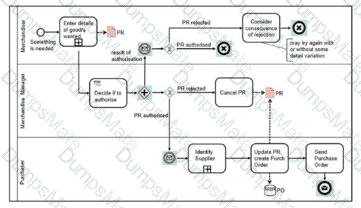
The solution is being developed according to the company’s standard V-model methodology. The requirements are clearly documented and include a business process model. Operational profiles have been created to guide performance testing.
A risk-based approach to testing is used; frequency of use and role of the user are major factors in feature risk assessment.
System testing has almost finished but a major change to the approval workflow is just about to be delivered. A standard regression test pack has not yet been established, but ad-hoc regression testing has already been performed on earlier builds.
As a TA, you have updated the list of product risks and must now decide the scope of the regression testing. Which pair of techniques will be MOST effective for selecting the regression tests?
a) History-based, driven by the results of the regression tests run so far
b) Risk-based, driven by the updated list of product risks and its traceability to the tests
c) Operational profile-based, driven by the likely patterns of use of the relevant transactions
d) Requirement traceability matrix-based, driven by the links from affected requirements to related tests
e) Impact analysis, driven by consultation with technical stakeholders to identify what might be affected.